WindStar Updates
Latest Blog Post & Articles
Keep up with the latest pieces containing your favourite topic. We have high-quality content to help you learn about technology-related issues.
A cross-platform Virtual 3D Exhibition Platform built using WebGL and HTML5 that recreates real-world expos online. Businesses host immersive digital exhibitions with customizable 3D stalls, live interactions, webinars, and analytics-driven insights.

A next-generation virtual exhibition solution designed to help brands, businesses, and organizers host immersive digital expos with real-time human interaction.
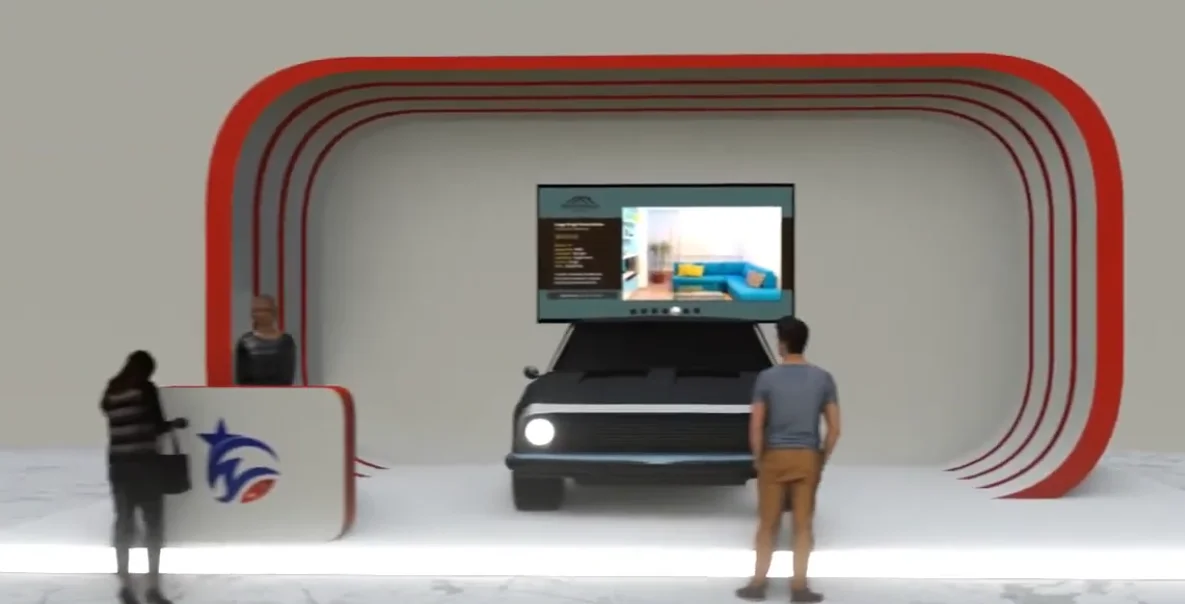
3D stalls and exhibition halls recreate the physical expo experience, increasing visitor engagement and brand recall.
WebGL and HTML5 enable instant access across web, mobile, and tablets without downloads or installations.
Live chat, video calls, meeting rooms, and webinars facilitate real-time business conversations.
The Virtual 3D Exhibition Platform was built to simulate real-world exhibitions in a fully digital environment using WebGL and HTML5 technologies. It allows businesses to host large-scale expos without geographical limitations.
Exhibitors can choose from Silver, Gold, or Platinum stalls and customize every aspect—from layout and colors to furniture, branding, and marketing assets—creating a strong digital identity.
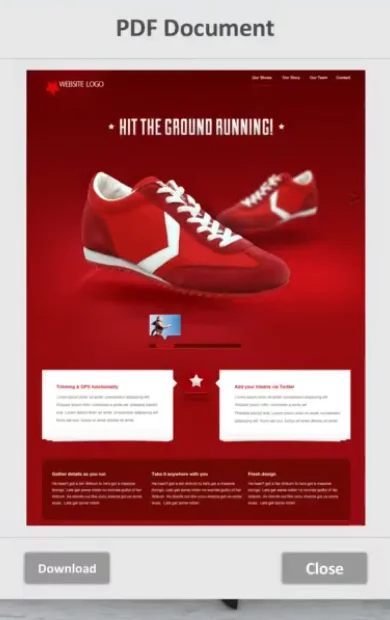
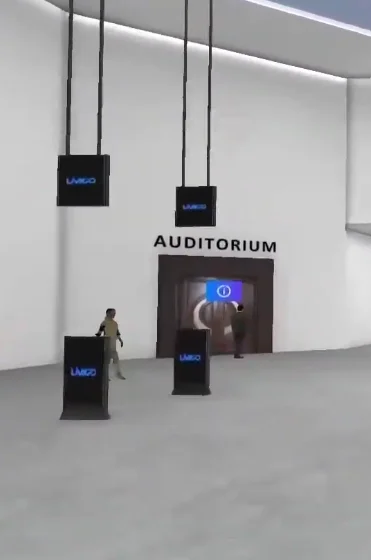
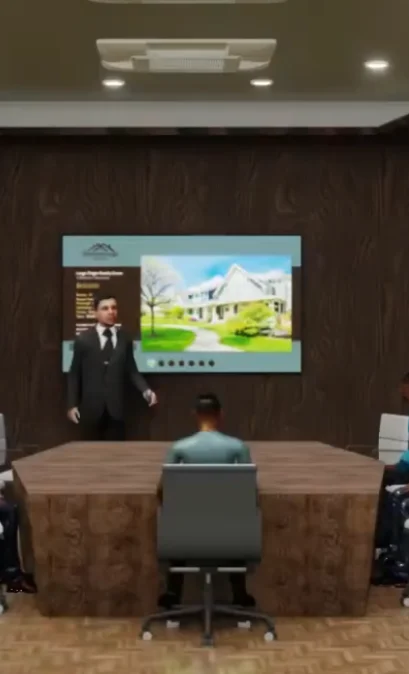
Visitors explore a spacious 3D exhibition hall, interact with exhibitors, attend webinars in a virtual auditorium, download brochures, and book private meetings, making the experience both immersive and productive.
 WebGL DevelopmentHTML5 Application Development3D Environment DesignWebGLHTML5Firestore
Built a browser-based 3D environment that replicates real-world expo halls with smooth navigation and realistic spatial design.
Enabled exhibitors to personalize stalls with colors, laminates, furniture, branding assets, videos, brochures, and business cards.
Integrated chat, video calls, meeting rooms, and appointment booking for direct engagement.
Created an auditorium for webinars, training sessions, and promotional videos with scheduled event management.
The platform leverages WebGL and HTML5 for high-performance browser-based 3D experiences, supported by Unity3D and Firestore for scalability and real-time data.




From immersive 3D halls to interactive stalls, auditoriums, and analytics dashboards, the platform delivers a complete virtual expo ecosystem.
A carefully designed end-to-end journey that mirrors real-world exhibitions while enhancing them with powerful digital capabilities.
Visitors enter the expo instantly through a WebGL-enabled browser on desktop or mobile, with no downloads required. The platform ensures smooth performance, fast loading, and intuitive navigation from the first click.
Users freely explore a spacious, realistically designed 3D hall, moving between aisles and stalls just like a physical expo while enjoying guided navigation and interactive hotspots.
Visitors enter Silver, Gold, or Platinum stalls, each uniquely branded and customized by exhibitors with colors, laminates, furniture, banners, and digital signage.
Stalls feature embedded product videos, interactive 3D demos, downloadable brochures, catalogs, and digital business cards for deeper brand understanding.
Visitors can instantly connect with exhibitors via live chat, audio calls, video calls, or request one-on-one meetings for personalized discussions.
Dedicated virtual meeting rooms allow focused conversations, negotiations, and demos, replicating face-to-face business meetings in a digital environment.
Find quick answers about our game development services and production process at Windstar Games.
We deliver bespoke 2D/3D game development, VR/AR experiences, cross-platform app development, WebGL projects, and Metaverse environments, using Unity, Unreal Engine, and the latest game engines.

Yes, we design tailored AR/VR games using ARKit, ARCore, Unity, Unreal Engine, and leading VR platforms like Meta Quest and HTC Vive.

Yes, we provide continuous post-launch support, QA testing, and performance optimization for all our applications, along with deployment assistance.
We deliver for iOS, Android, Apple VisionOS, Meta Quest, MacOS, Windows, WebGL, HoloLens, and more.
We follow a full-cycle development process including discovery, game design, collaboration, project kick-off, testing, and ongoing live service support.

Windstar Games – A global game and app development company delivering game design, 2D/3D development, QA testing, game publishing, animation, AR/VR experiences, AI-driven gameplay, gamification systems, and cross-platform app solutions. From AAA productions to indie projects, we craft immersive experiences that captivate players worldwide.